Tooling · Press molds · Facing brick & tile
Press Molds for Semi-Dry Pressing — Facing-Product Family at 300 kg/cm²
Client
Confidential — Building Materials
Duration
Multi-mold program
Year
2017
A family of press molds designed and manufactured for forming facing products by semi-dry pressing on a cement binder. Calculated pressing force: 300 kg/cm². Standard, semi-standard, Bavaria, and Saxony-corner geometries — every die tuned for sustained cement-binder abrasion, not catalog peak.
Engagement Metrics
300 kg/cm²
Pressing force
Standard · Semi · Bavaria · Saxony
Mold geometries
Cement-bound
Material binder
Cladding · Ventilated façade
Application
From the project
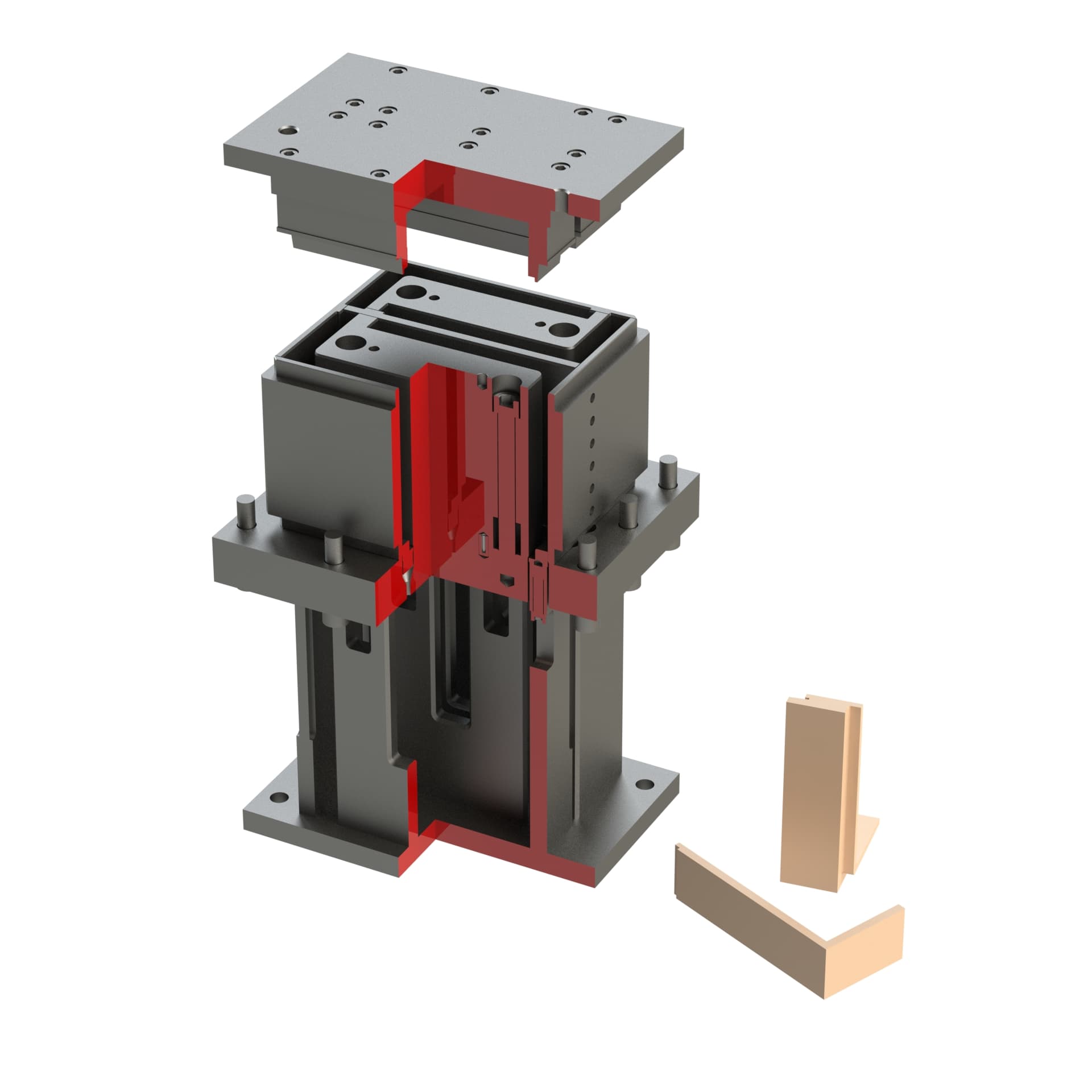
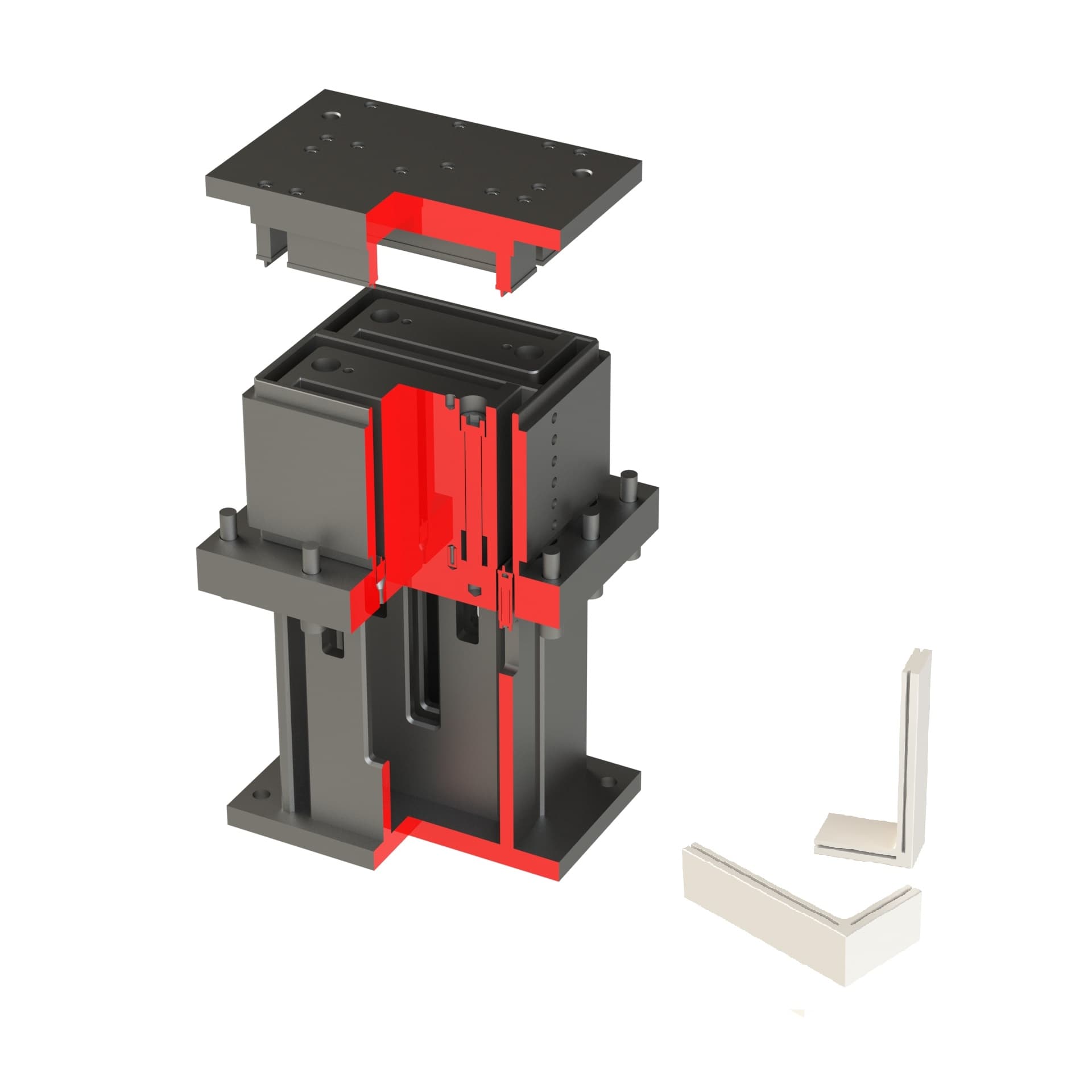
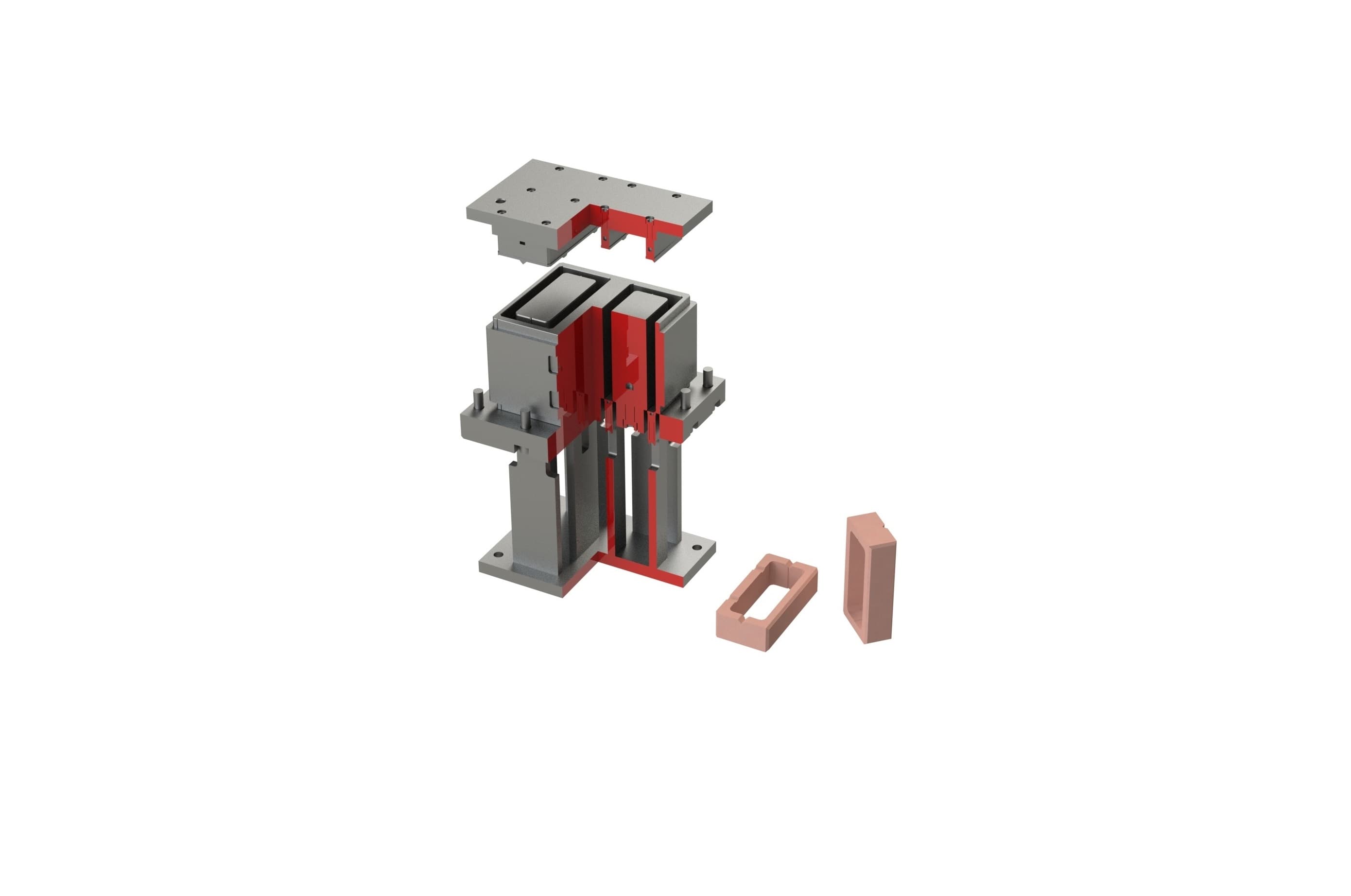
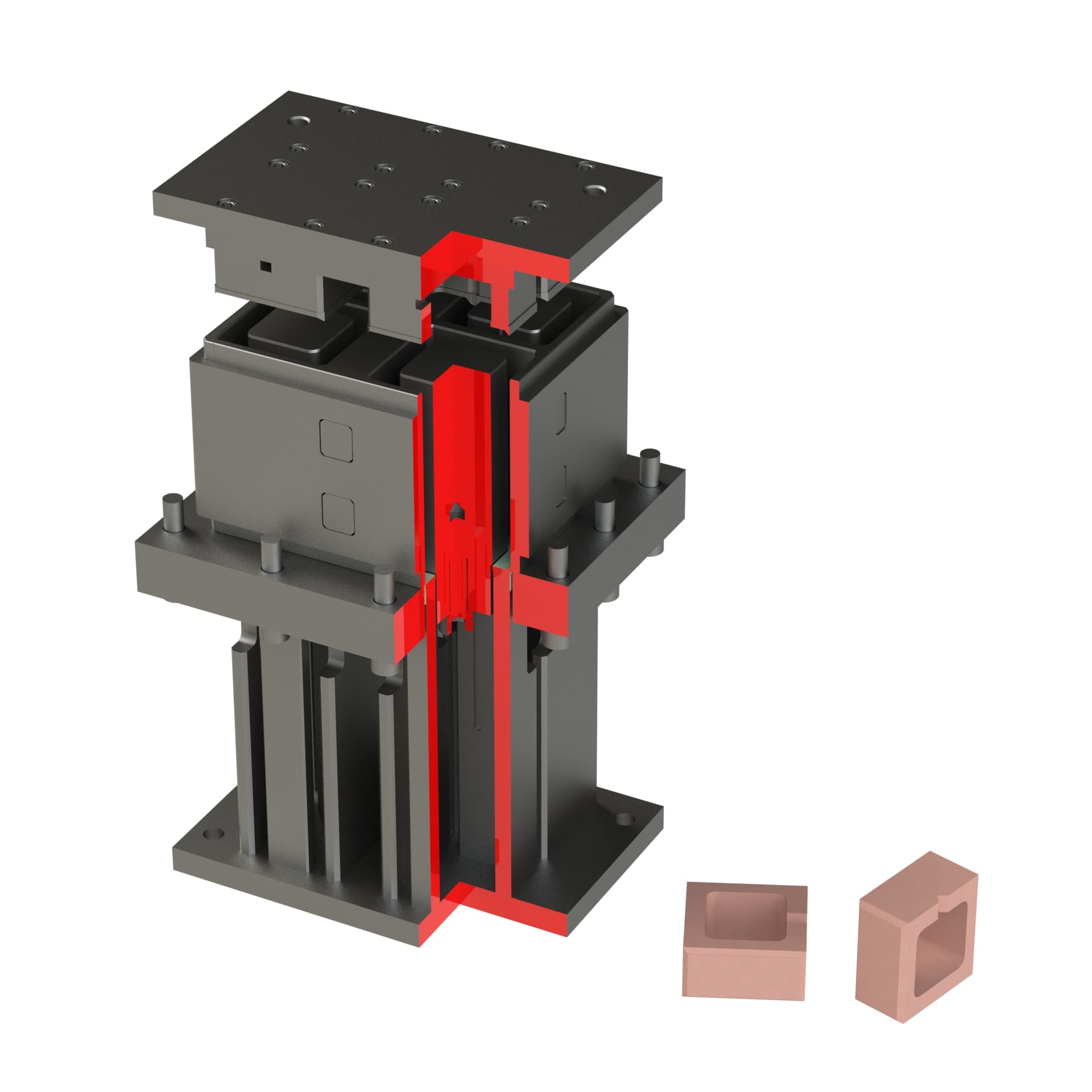
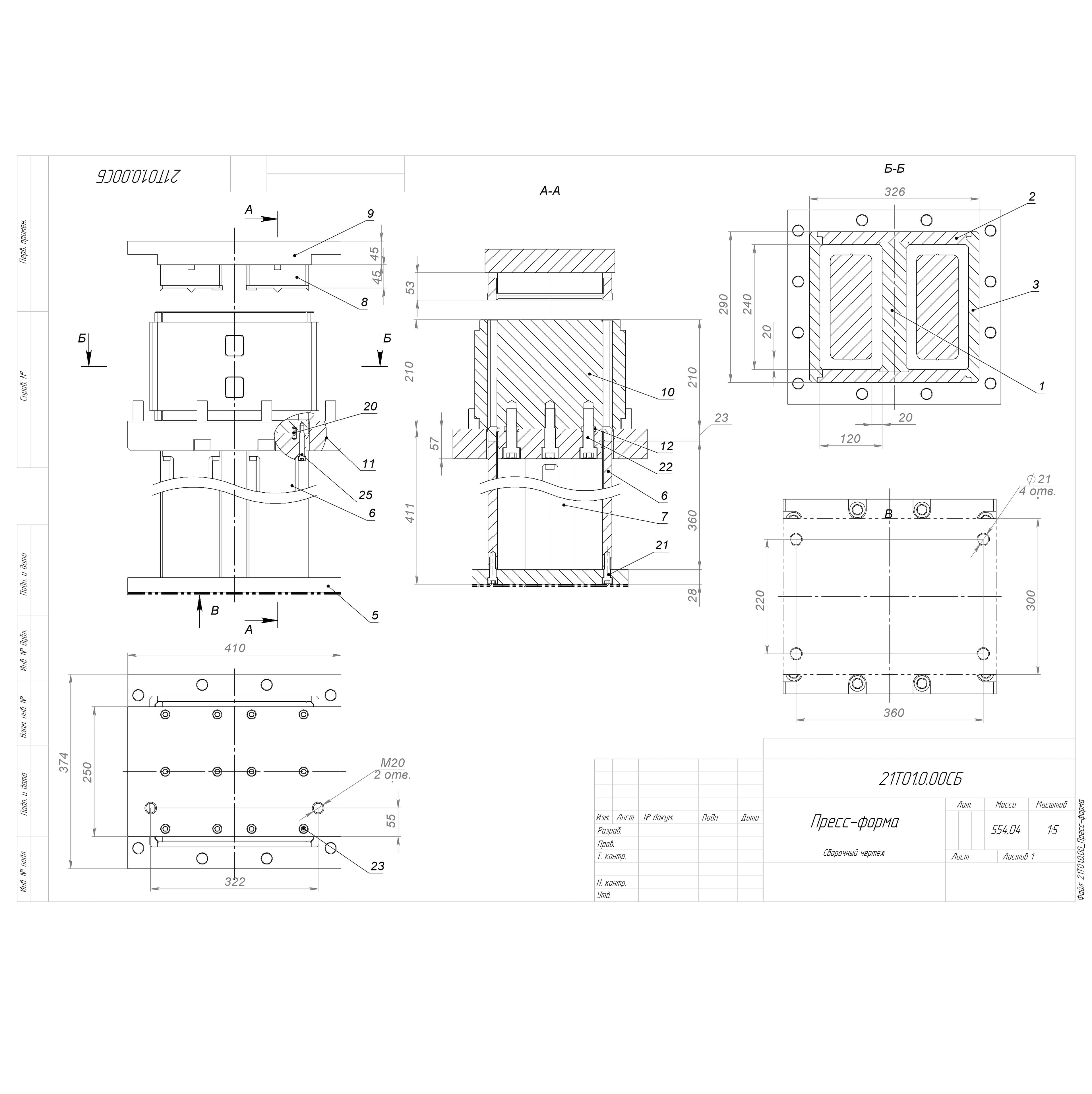
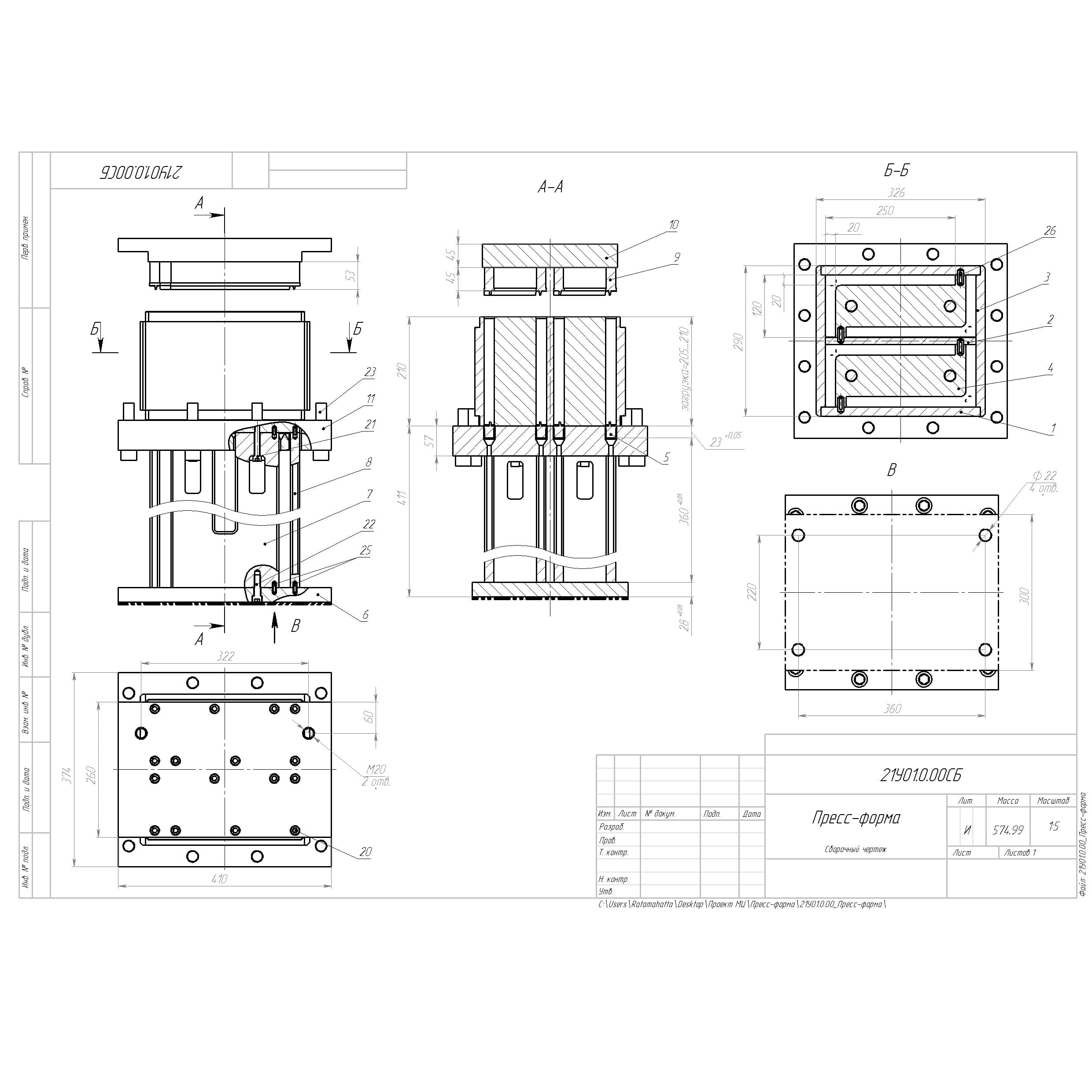
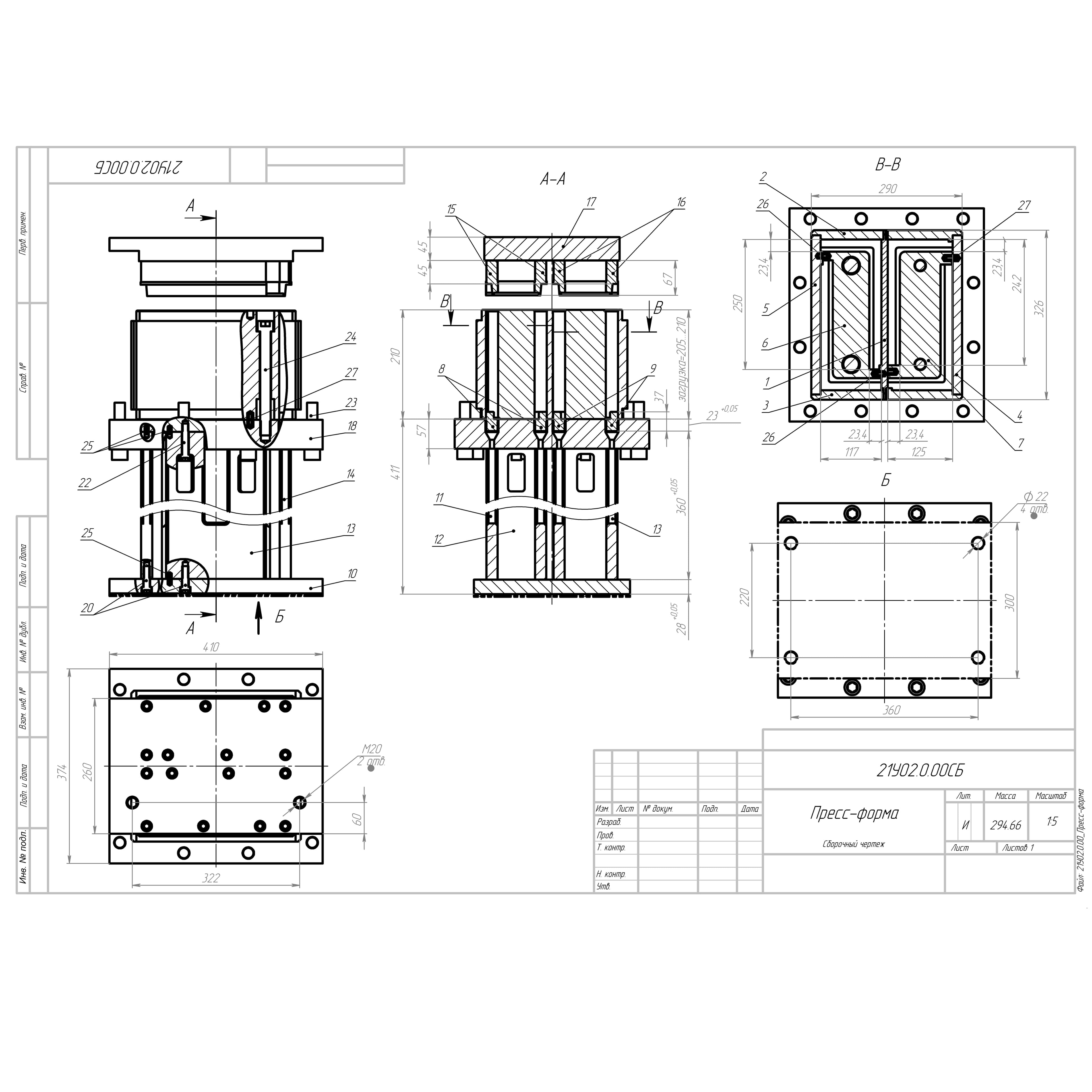
7 imagesSaxony corner — tolerance-critical for ventilated façade systems. Bavaria pattern — distinct wear profile from standard brick. Standard die — the workhorse of the family. Semi-standard — adjusted aspect for specific façade systems. CAD subassembly — die, ejection, and dosing geometry. Variant CAD — material clearances tuned per geometry. Third variant — same press interface across the family.
The Challenge
The mold is the part of the press that wears. A press frame is mostly idle steel; the die is where the cement-bound mixture grinds out the press's actual service life. The customer needed a family of molds covering their full facing-product catalog — standard brick, semi-standard, Bavaria, Saxony corner — every geometry pressed at the same calculated 300 kg/cm² and every die sized to hold dimensional tolerance through real production wear.
Why the mold family had to be designed as one program
- *Tolerance interlocks.* Corner products and standard products share façade systems. If standard and corner dies drift apart on dimensional tolerance, ventilated façade installation suffers.
- *Press compatibility.* Every mold runs on the same semi-dry pressing equipment — die mounting interfaces and stroke geometry have to match.
- *Service profile.* Cement-binder abrasion is not uniform across the die — the dosing edge wears differently from the wall. Material selection has to anticipate that.
What the customer wanted
Not a single mold — a full catalog of dies that share the same press, hit the same 300 kg/cm² pressing force, and hold cladding-spec tolerance across the lifetime the customer expects from this class of press tooling.
Our Approach
Each mold in the family was designed against the same pressing-force budget (300 kg/cm² calculated) and the same press compatibility envelope. Dimensions, dosing volumes, ejection geometry, and material selection were tuned per geometry — Bavaria has different wear lines than standard brick — but the program was treated as one tooling family rather than five separate jobs.
Geometries in the family
- *Standard.* Conventional facing brick — the workhorse die.
- *Semi-standard.* Adjusted aspect ratio for specific façade systems.
- *Bavaria.* Bavaria-pattern facing brick.
- *Saxony corner.* Corner element for façade systems — tolerance-critical because it interfaces with both wall and corner.
Engineering inputs that drove the program
- *Pressing force.* 300 kg/cm² calculated, validated against the customer's press capacity.
- *Cement-binder service profile.* Die material and clearances selected for abrasion expected in cement-bonded semi-dry pressing.
- *Ventilated façade compatibility.* Saxony-corner dimensions tuned for ventilated façade installation systems.
- *Press interface.* Every die in the family mounts on the same press tooling interface.
Deliverable
Full CAD package for each die, manufacturing prints, and the manufactured dies — installed and producing on the customer's pressing equipment.
Results
The mold family was designed, manufactured, and put into production. Each die in the family holds its calculated 300 kg/cm² pressing force on the customer's press equipment, and the dimensional tolerance across the family stays within ventilated-façade installation tolerance.
What the customer got
- A *family* of dies designed as one program rather than ad-hoc per-product.
- 300 kg/cm² pressing force calculated and validated for every geometry.
- Cement-binder abrasion profile baked into material selection from day one.
- Tolerance behavior tuned for ventilated façade — not just for individual brick spec.
Catalog reach
The family covers both conventional construction applications and ventilated façade installation systems, on a single press, with consistent service profile across geometries.
Why mold engineering is a multi-year decision
A press is a capital purchase. Mold tooling is the consumable that determines whether that press hits its rated output across its service life. Under-engineered tooling drops yield in month four; over-engineered tooling is a cost burden. The right mold family is the bridge between the press's rated capacity and the buyer's actual production economics — and that bridge has to hold for years, not weeks.
The brief on this program was to design with that horizon in mind. Cement-binder abrasion, die-clearance migration, ejection wear, and dosing-volume drift were all engineered against — not patched in revisions later.